What Makes Atrium Frame Tents Different?
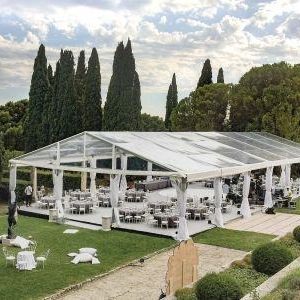
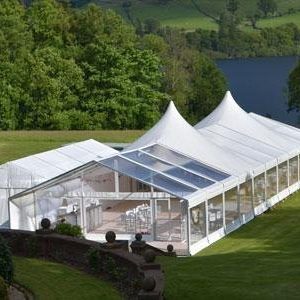
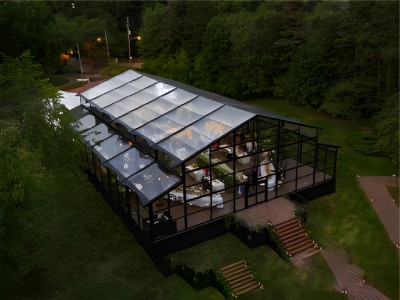
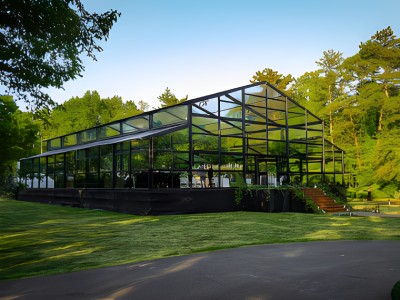
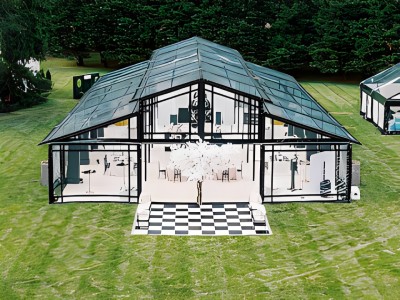
The main feature that distinguishes an atrium frame tent from standard frame tents is its elevated atrium section. This section often includes transparent or decorative panels, creating a bright and open atmosphere. Natural light enters the structure during the day, reducing the need for artificial lighting and creating a comfortable environment for guests.
The frame is usually manufactured from high-grade anodized aluminum, which is lightweight, corrosion-resistant, and capable of withstanding demanding weather conditions. The roof and sidewalls are made from durable PVC-coated fabric that is waterproof, UV-resistant, flame-retardant, and easy to clean. This combination of materials ensures long service life and low maintenance costs.
Ideal for Weddings and Luxury Events
One of the biggest advantages of atrium frame tents is their ability to create a premium event environment. Wedding planners often prefer these tents because the high ceiling allows for dramatic lighting installations, chandeliers, floral arrangements, and elegant draping. The absence of internal poles means that seating layouts can be arranged without obstruction, giving guests clear views of the stage, dance floor, or ceremony area.
The atrium entrance creates an impressive first impression and provides an ideal space for welcome displays, registration counters, or decorative installations. Whether the event is held in a garden, vineyard, beachfront location, or private estate, an atrium frame tent adds a sophisticated architectural element that enhances the overall guest experience.
Perfect for Corporate Events and Exhibitions
Atrium frame tents are not limited to weddings. They are widely used for corporate launches, trade shows, exhibitions, conferences, and promotional events. The clean and professional appearance of the structure makes it suitable for branding, signage, and customized interior layouts.
Exhibitors benefit from the large uninterrupted floor space, which allows booths, display stands, and presentation areas to be arranged efficiently. The high roof also improves visibility inside the tent and creates a more comfortable environment for visitors during busy events.
Because these tents can be installed on various surfaces, including grass, concrete, asphalt, and compacted ground, they are a practical solution for temporary exhibition venues where permanent buildings are not available.
Frequently Asked Questions
1. What is an atrium frame tent used for?
An atrium frame tent is used for weddings, corporate events, exhibitions, conferences, outdoor dining, hospitality venues, and temporary commercial structures. Its high roof and open interior make it ideal for events that require a spacious and elegant environment.
2. How many people can an atrium frame tent accommodate?
The capacity depends on the size and layout of the tent. Smaller models can accommodate around 50 to 100 guests, while large-span atrium frame tents can host several hundred or even thousands of people for banquets, exhibitions, or public events.
3. Are atrium frame tents waterproof and weather-resistant?
Yes. High-quality atrium frame tents are manufactured with waterproof PVC-coated fabric and corrosion-resistant aluminum frames. They are designed to withstand rain, UV exposure, and moderate wind conditions when properly installed and anchored.
4. Can the tent be customized with flooring, lighting, and sidewalls?
Yes. Atrium frame tents can be customized with wooden or modular flooring, carpeting, LED lighting, chandeliers, air conditioning, transparent or solid sidewalls, glass panels, and decorative draping to match the style and functional requirements of the event.
5. How long does installation take?
Installation time depends on the size and complexity of the structure. Smaller tents may be installed within a few hours, while larger atrium frame tents with flooring, lighting, and additional accessories may require one to several days. Professional installation is recommended to ensure safety and proper structural performance.