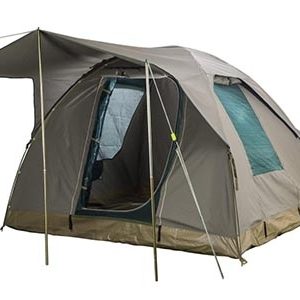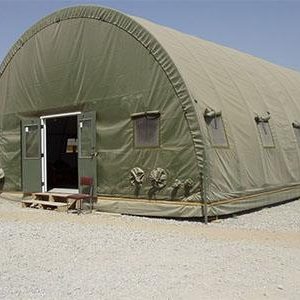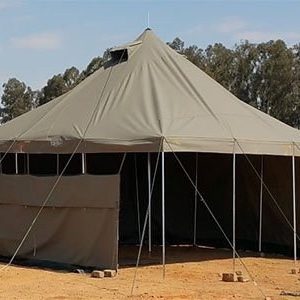
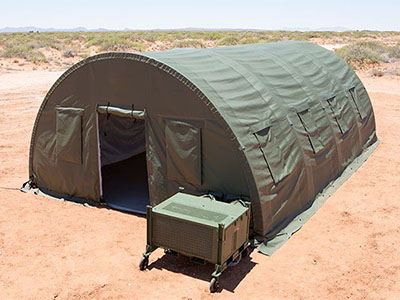
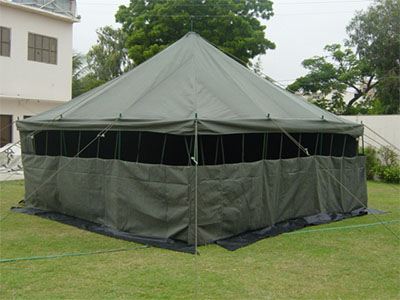
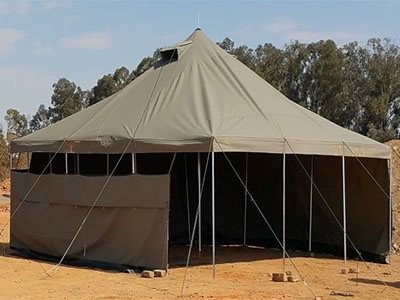
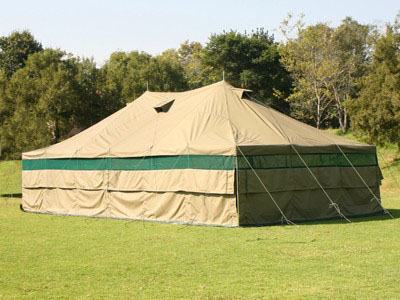
What Are Disaster Tents?
Disaster tents are specially designed temporary shelters used during emergency situations where immediate accommodation is required. Unlike standard camping tents, disaster relief tents are built with stronger structures, larger spaces, and enhanced weather resistance to support people during crisis conditions.
These tents are commonly used after natural disasters such as earthquakes, floods, cyclones, and wildfires when homes and buildings become damaged or unsafe. They provide a secure environment where displaced families can stay until permanent housing solutions are available.
Disaster tents are also widely used by humanitarian organizations, military groups, medical teams, and government relief departments for emergency response activities. Their portable design allows them to be transported easily and installed quickly in different locations.
Importance of Disaster Tents During Emergency Situations
During a disaster, providing immediate shelter is one of the most important priorities. Thousands of people may suddenly lose access to homes, making temporary shelters essential for survival and recovery. Disaster tents help create safe living spaces within a short period, reducing the challenges faced by affected communities.
These tents provide protection against harsh environmental conditions and help maintain privacy and security for displaced individuals. They can also be customized to serve different purposes, including sleeping areas, medical facilities, food distribution centers, and emergency offices.
A well-designed disaster tent allows relief operations to function efficiently by creating organized spaces for different activities. From providing accommodation for families to supporting rescue operations, these shelters contribute significantly to disaster management efforts.
Strong and Weather-Resistant Disaster Tent Materials
The quality of materials used in disaster tents determines their durability and performance. Professional disaster tents are generally manufactured using high-strength fabrics such as PVC-coated polyester, waterproof canvas, and other industrial-grade materials.
These materials are selected for their ability to withstand heavy rainfall, strong winds, UV exposure, and changing weather conditions. The frames are usually made from durable materials such as galvanized steel or aluminum, providing stability and strength even in difficult environments.
Waterproof and fire-resistant fabric options are available to improve safety during emergency situations. Reinforced stitching, strong zippers, ventilation systems, and secure anchoring methods further enhance the reliability of these tents.
Frequently Asked Questions
1. What are disaster tents used for?
Disaster tents are used as temporary shelters during emergencies such as floods, earthquakes, hurricanes, fires, and other natural disasters. They provide safe accommodation for displaced people and can also be used as medical centers, command offices, storage areas, and relief operation spaces. These tents are designed to offer quick and reliable shelter when permanent buildings are damaged or unavailable.
2. How long can disaster tents last?
The lifespan of a disaster tent depends on the quality of materials, environmental conditions, and maintenance. High-quality disaster tents manufactured with durable fabrics and strong frames can be used for several years with proper care. Weather-resistant materials, reinforced stitching, and strong support structures help improve their durability and performance in demanding conditions.
3. Are disaster tents waterproof and suitable for extreme weather?
Yes, professionally manufactured disaster tents are designed to handle challenging weather conditions. They are made using waterproof and weather-resistant materials that provide protection against rain, wind, and sunlight. Some models also include additional features such as insulated walls, ventilation systems, and reinforced frames to improve safety and comfort in extreme environments.
4. Can disaster tents be customized according to specific requirements?
Yes, disaster tents can be customized based on the needs of organizations and emergency response teams. Customization options may include different sizes, layouts, materials, colors, flooring systems, ventilation options, and additional accessories. This allows the tents to be adapted for different purposes such as family shelters, medical camps, or large relief facilities.
5. Where can disaster tents be used?
Disaster tents can be used in various locations, including disaster-affected areas, refugee camps, military zones, remote regions, and emergency response sites. They are suitable for both short-term and long-term shelter requirements. Their portable design allows them to be transported and installed in areas where quick shelter solutions are required.